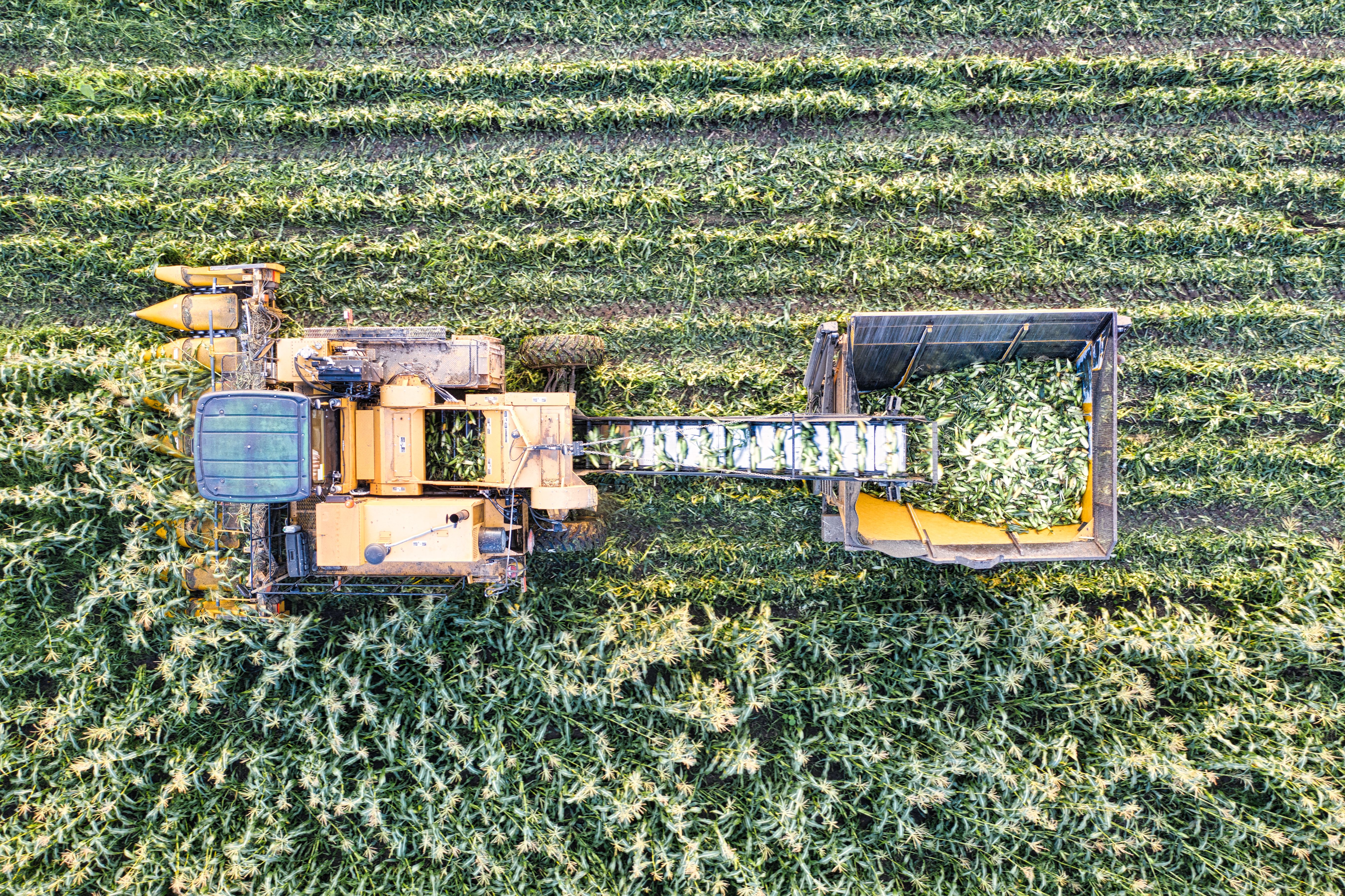
Live Oak consortium announced the launch of Front-End Engineering Design (FEED) Read more
The future of natural gas.
Made differently.
Live Oak brings together the Midwest's renewable energy potential, Nebraska's biogenic CO₂ from the bioethanol industry and existing energy infrastructure to produce a new generation of natural gas, electric natural gas (e-NG), with a very low carbon intensity. From the heart of the Midwest, the project is building a supply chain designed to serve customers around the world such as Japan. There, it will gradually substitute for fossil natural gas across existing city-gas networks, delivering lower-carbon energy without requiring an entirely new energy system.
Live Oak at a Glance
The project in numbers
Northeast Nebraska
Location
250 MW
Electrolysis capacity
~75,000 t/yr
e-NG production capacity
5
Global industrial partners
2027
Target FID
2030
Target operations
Project Overview
Project Live Oak is advancing a new way to produce natural gas with a lower carbon footprint
Located near Norfolk, Nebraska, the project will produce e-NG using renewable electricity, water, and captured carbon dioxide. Through this process, the facility will create methane that is chemically identical to conventional natural gas.
That compatibility is one of the project's key advantages because:
e-NG is the same molecule as the natural gas already in use
it can be transported through existing natural gas pipelines
used by existing customers without requiring new equipment or infrastructure
Project Live Oak is being developed by TotalEnergies, together with TES, Osaka Gas, Itochu, and Toho Gas.
The project is now entering Front End Engineering Design (FEED)—a critical stage in which the facility's design, expected costs, and schedule are developed in detail ahead of a final investment decision
 \\
\\
Why Live Oak?
Local resources. Existing infrastructure. Very low-carbon energy.
Live Oak brings together renewable electricity, biogenic CO₂ from the Midwest's bioethanol industry, and existing natural gas infrastructure to produce e-NG with a very low lifecycle carbon footprint. By combining renewable hydrogen with recycled biogenic CO₂, Live Oak is designed to provide the same molecule as conventional natural gas, but with dramatically lower greenhouse-gas emissions across its lifecycle.
Built on Nebraska's strengths
The Midwest and Nebraska combine strong renewable energy potential with a well-established agricultural and bioethanol industry, providing the key resources needed to produce e-NG at industrial scale.
Very low carbon, fully compatible
Live Oak e-NG is chemically equivalent to conventional natural gas, allowing it to use existing pipelines, liquefaction facilities, ships and customer equipment. This makes it possible to significantly reduce the carbon intensity of gas supply while leveraging infrastructure already in place.
Connecting Nebraska to Japan
Developed by 5 global energy and industrial partners, Live Oak transforms local renewable resources and biogenic carbon into a very low-carbon fuel for customers seeking to reduce emissions from existing gas-based energy systems. Live Oak e-NG will primarily serve the decarbonization of gas distribution in Japan, supporting its commitment to inject 1% of renewable natural gas into the city gas network by 2030 as part of a broader strategy to achieve carbon neutrality by 2050.
Pioneering a new industrial value chain
Live Oak brings together technologies and infrastructure that already exist individually, but integrates them at a scale and across a value chain that remains pioneering for the e-NG industry. The project is designed not only to produce e-NG, but to establish a model that can be replicated as the market develops.
The Process
Same gas • Same infrastructure • A different carbon story.
e‑NG — electric natural gas — is produced by combining renewable hydrogen with biogenic CO₂. The result is chemically identical to conventional natural gas, meaning it works with existing pipelines, LNG facilities, and customer equipment without requiring any changes to the energy system it serves.
Renewable electricity + water
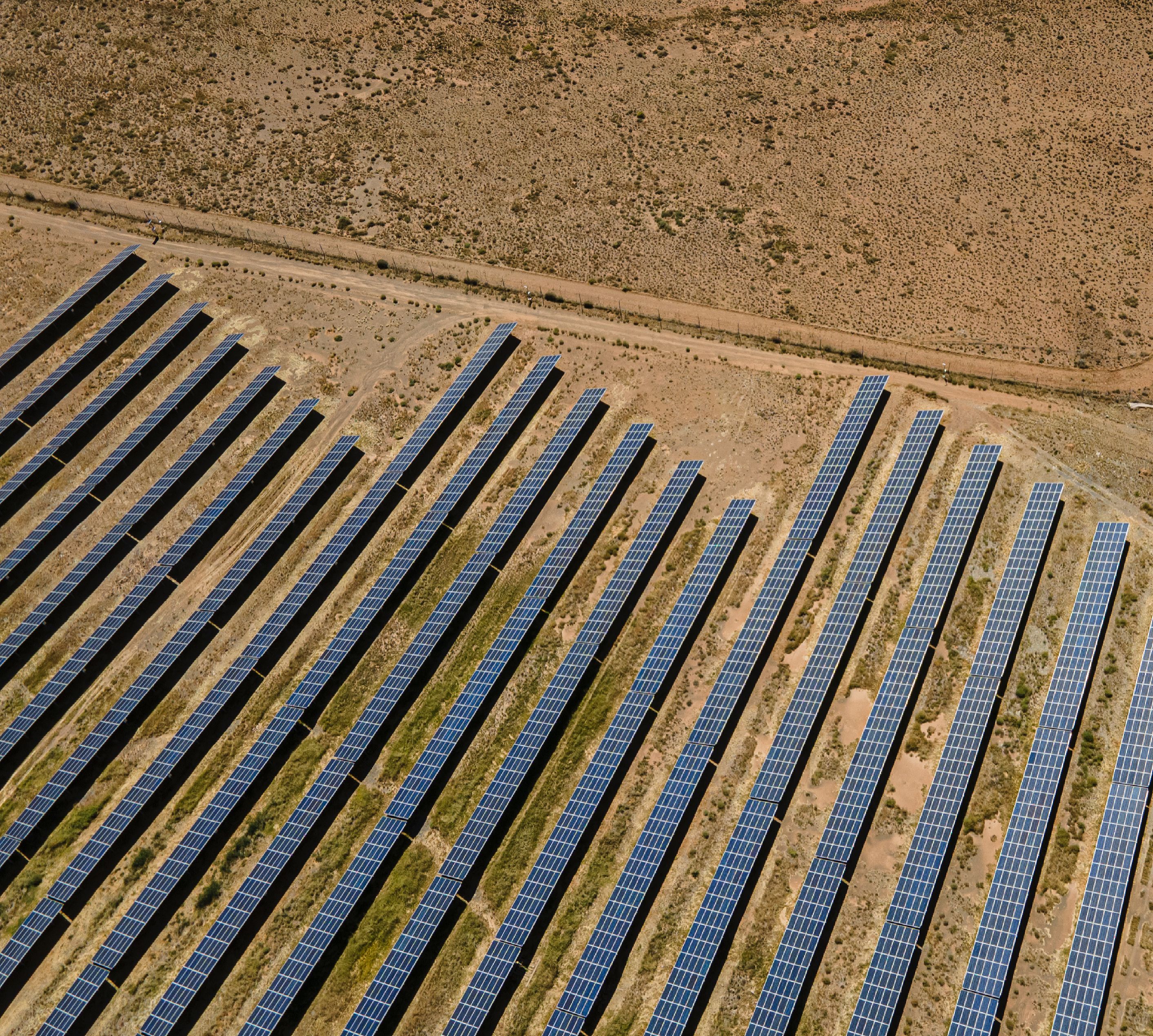
Live Oak uses renewable electricity from the Midwest's abundant wind and solar resources to power a large-scale electrolyser. The electrolyser splits water into hydrogen and oxygen, with the resulting hydrogen carrying a very low carbon intensity.
Very low carbon
Biogenic CO₂ + renewable hydrogen
The renewable hydrogen is combined with biogenic CO₂ — captured from bioethanol production in Nebraska — in a methanation reaction. This produces methane chemically identical to conventional natural gas, with a very low lifecycle carbon footprint.
Electric natural gas • Very low carbon
e‑NG into existing infrastructure
e‑NG can enter the existing natural gas supply chain without modification. It can be transported through pipelines, liquefied and shipped as LNG, then regasified and distributed through city‑gas networks — with no new infrastructure required.
Pipelines • LNG • City-gas
Want to learn more about e‑NG? Visit the e‑NG Coalition
Local by-products
Turning local by-products into valuable resources
Recycling carbon already in the natural cycle
Live Oak uses biogenic CO₂ captured from the Midwest's bioethanol industry — a carbon stream that would otherwise be released to the atmosphere — and combines it with renewable hydrogen to create e‑NG. Unlike fossil natural gas, which brings additional carbon out of geological reservoirs and into the atmosphere, Live Oak recycles carbon that was recently absorbed from the atmosphere by plants as they grew. By turning this biogenic CO₂ into a valuable fuel, Live Oak creates a circular carbon pathway: plants capture CO₂, the bioethanol industry concentrates it, Live Oak recycles it into e‑NG, and the carbon returns to the atmosphere when the fuel is used, ready to enter the biological cycle again. Combined with renewable electricity, this circular use of biogenic carbon enables Live Oak e‑NG to achieve a very low lifecycle carbon footprint compared with conventional fossil natural gas.
Recycling water, preserving a vital local resource
Live Oak is working in close collaboration with the City of Norfolk to develop a water solution based on the reuse of treated wastewater rather than relying on fresh water resources for its industrial needs. In Nebraska, water is a vital resource for agriculture, communities and the wider economy. By giving wastewater a second productive use, Live Oak can reduce pressure on freshwater supplies while supporting the development of a new industrial activity.
This collaboration with the City of Norfolk illustrates how Live Oak is being designed as part of the local ecosystem, working with the community to make efficient use of existing resources and infrastructure while protecting the resources the region depends on most. It reflects a broader principle behind the project: integrate locally, reuse resources intelligently, and create new value while minimising pressure on the region's natural resources.
The supply chain
From Nebraska to Japan
Live Oak e‑NG is designed to enter the existing natural gas and LNG supply chain, from pipelines and liquefaction to shipping, regasification and city‑gas distribution. In Japan, it can progressively substitute for fossil natural gas while using infrastructure and customer equipment already in place.
Nebraska
01Pipeline
02Liquefaction
03LNG shipping
04Regasification
05City-gas networks
06Japan
07Our Partners
Jointly developed by five global leaders
Live Oak is being jointly developed by TotalEnergies, TES, Osaka Gas, Toho Gas and ITOCHU — five partners whose complementary expertise spans renewable energy, e‑NG development, LNG infrastructure, Japanese gas distribution, and international project finance.




Hover a logo to learn more
Project Timeline
From partnership to production
Live Oak has moved rapidly from its founding partnership to active engineering — with a clear path to Final Investment Decision and commercial operations.
2023
Foundation
Initial TotalEnergies–TES partnership formed.
2025
Partnership expands
Osaka Gas, Toho Gas and ITOCHU join the project.
2026–2027
FEED
Live Oak is in Front-End Engineering Design.
End 2027
Target FID
Final Investment Decision.
End 2030
Target operations
Target commercial operations.
2023
Foundation
Initial TotalEnergies–TES partnership formed.
2025
Partnership expands
Osaka Gas, Toho Gas and ITOCHU join the project.
2026–2027
FEED
Live Oak is in Front-End Engineering Design.
Current phaseEnd 2027
Target FID
Final Investment Decision.
End 2030
Target operations
Target commercial operations.
Latest News
Project updates
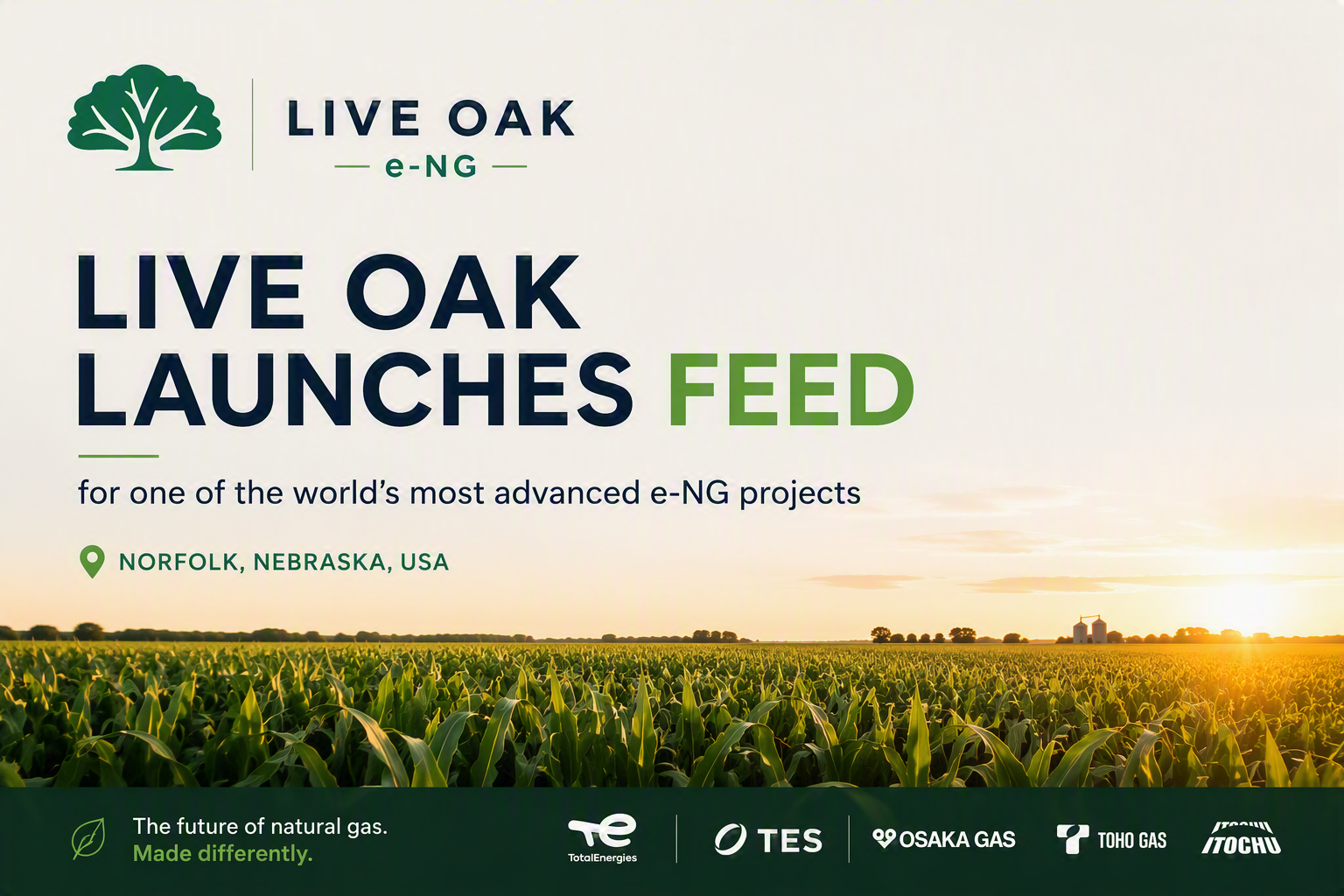
Commencement of FEED for the Live Oak Project for e-NG Production in Nebraska
Houston, August 27th, 2026 – The Live Oak consortium today announced the launch of Front-End Engineering Design (FEED) activities for the Live Oak project, a large-scale electric natural gas (e-NG, also known as e-methane) production facility currently under development in Nebraska, United States. The consortium comprises TotalEnergies and TES (each holding a 33.35% stake in Live Oak), alongside Osaka Gas, Toho Gas and ITOCHU (33.3% combined).
Read article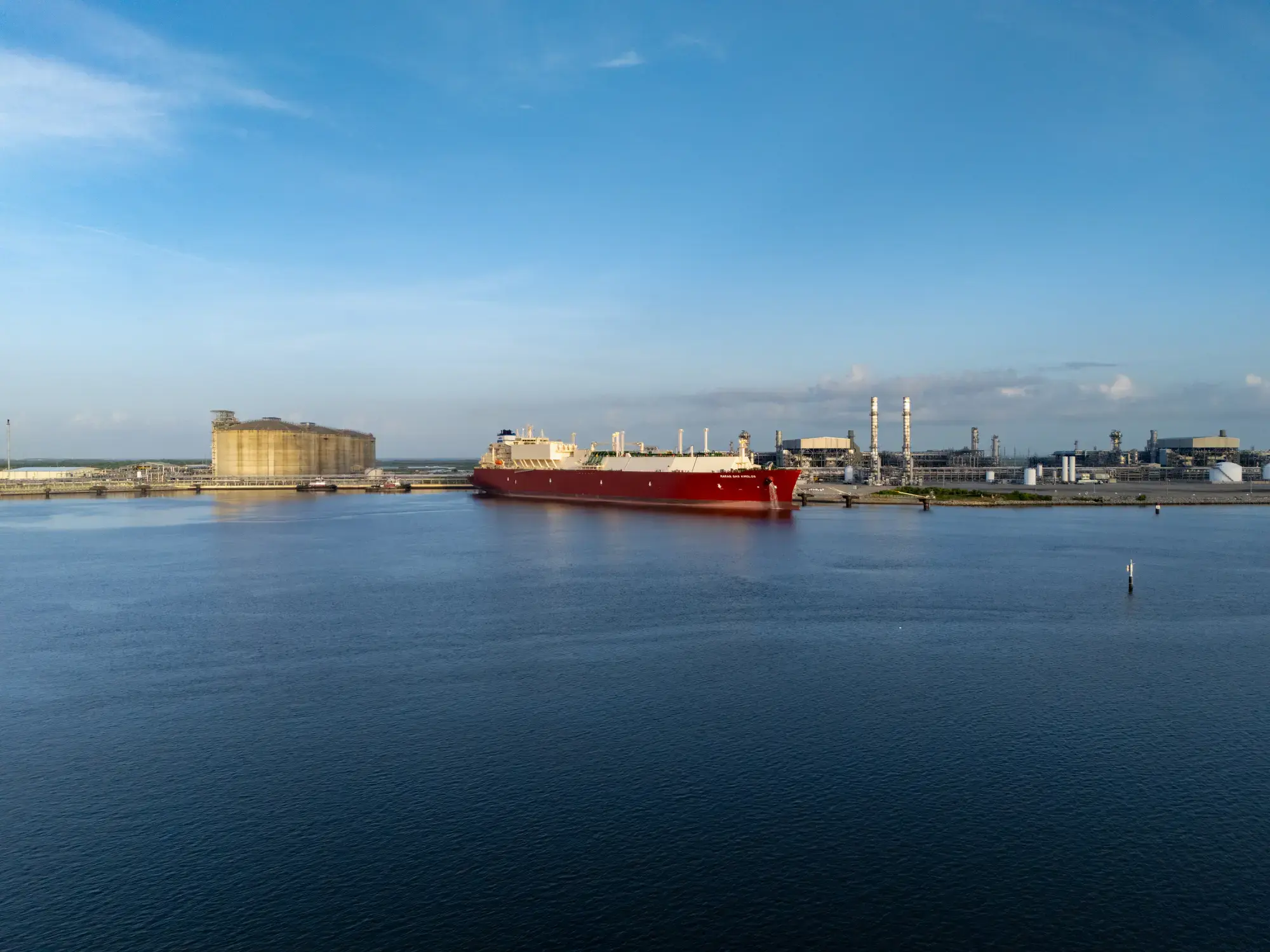
TotalEnergies, TES, Osaka Gas, Toho Gas and ITOCHU Partner to Develop the Live Oak Project
Five major energy companies announced a strategic partnership for the Live Oak project in Nebraska — a facility producing e-NG at 250 MW electrolysis capacity, with a Final Investment Decision anticipated in 2027 and commercial operations starting by 2030.
Read articleFAQ
Frequently asked questions
Answers to common questions about the Live Oak project, the technology, and what it means for the region.
Contact
Get in touch with us
Have a question about the Live Oak project? We'd love to hear from you — we aim to respond within one business day.